Gamification Strategies to Encourage a Growth Mindset in Young People
The Power of Gamification in Educating Nigerian Youth
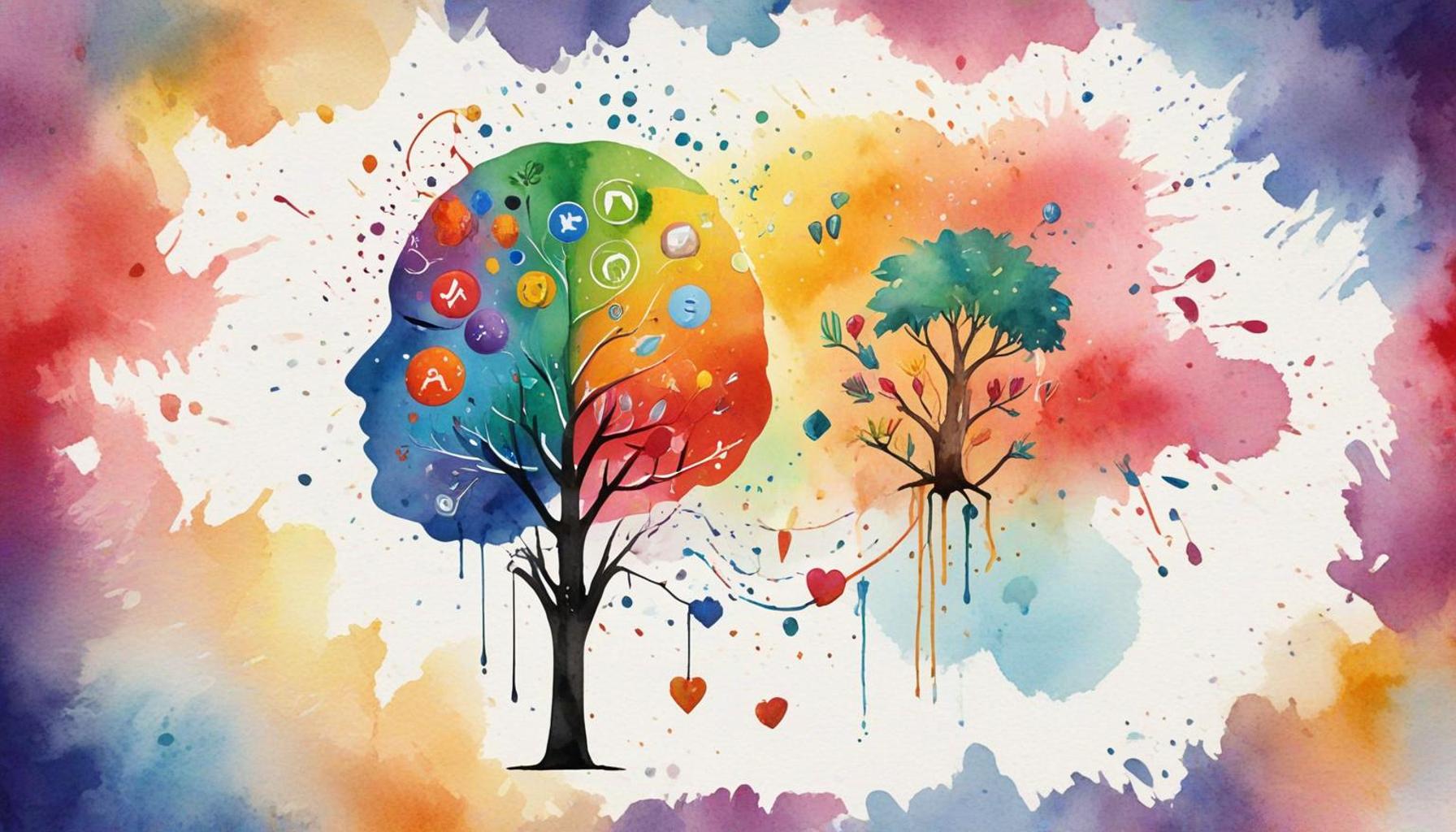
As the landscape of the global economy shifts and technology becomes increasingly integral to daily life, the youth of Nigeria must adapt to these changes, facing distinct challenges that directly impact their future. One of the most beneficial frameworks that can facilitate this adaptation is the development of a growth mindset, which encourages individuals to embrace challenges, learn from failures, and pursue continuous improvement. Emerging strategies such as gamification are proving to be effective in nurturing this mindset among young Nigerians.
Gamification is the process of integrating game-like elements into non-gaming environments, transforming mundane activities into engaging and interactive experiences. This innovative approach not only captures the attention of young people but also promotes essential skills necessary for their personal and professional growth. Below are several vital features of gamification that can significantly enhance educational outcomes:
- Increased Engagement: The implementation of leaderboards, point systems, and rewards creates a competitive atmosphere that motivates students to participate actively. For example, a mobile app developed for Nigerian primary schools might offer rewards such as badges for mastering mathematics concepts, which can drive participation and enthusiasm.
- Feedback Loops: Providing instant feedback allows learners to identify their progress and recognize areas that require further development. In a classroom setting, teachers can utilize gamified quizzes that offer immediate scores and tips after each question, keeping students informed and motivated.
- Goal Setting: Clearly defined objectives are essential in gamification as they encourage students to work towards achieving specific milestones. For instance, a program could set targets for literacy improvement, challenging students to read a certain number of books within a timeframe, motivating them to aim for mastery.
In Nigeria, with a youth demographic that is both substantial and diverse, the integration of gamification strategies into educational practices can foster tremendous change. By embedding local themes, languages, and cultural narratives into educational games, educators can create immersive experiences that resonate with students profoundly. Engaging educational games that revolve around the rich cultural heritage of Nigeria, such as traditional storytelling or folk tales, can make learning an adventure rather than a chore.
As we examine effective gamification strategies, it becomes evident that we are not merely disseminating educational techniques; we are sparking a movement that empowers Nigerian youths to face challenges head-on and cultivate a lifelong love for learning. By embracing these methods, we unlock the potential of young minds to thrive in a rapidly changing world. Embracing gamification could very well be the key to unlocking a brighter future for the next generation in Nigeria.
RECOMMENDED: Check out this similar article
Transformative Gamification Strategies for Nigerian Youth
The integration of gamification into educational settings represents a compelling opportunity for young people in Nigeria to foster a growth mindset. This educational paradigm shift not only equips students with essential skills but also fundamentally alters their engagement with learning. As we delve deeper into effective gamification strategies, we reveal how these innovative techniques are tailor-made to meet the needs of the youth, especially in a digitally driven society.
One of the most vital aspects of gamification is the idea of adaptive learning. By personalizing educational experiences through gamified platforms, students can learn at their own pace, accommodating various learning styles and paces. For instance, an online portal designed for Nigerian students could present math challenges that adjust in complexity based on a student’s previous performance. This responsiveness can lessen frustration for those struggling with difficult concepts while also ensuring that more adept learners remain engaged with challenging tasks.
Furthermore, gamification can effectively address the need for social interaction among peers. Collaborative elements are essential for nurturing a growth mindset as they encourage communication, teamwork, and shared problem-solving. By creating team-based challenges or competitions, students can work together to achieve common goals. For example, a science initiative might use gamification to foster teamwork among students from different schools, where they work together to develop eco-friendly projects and compete for recognition. Such inter-school collaborations foster relationships that extend beyond the classroom and encourage students to learn from each other’s strengths and experiences.
- Storytelling in Learning: Story-based gamification is a powerful tool that captivates youthful imaginations. By introducing themes from popular Nigerian folklore or modern narratives, educational content can become deeply relatable. For example, a history game that places students in the shoes of historical Nigerian figures can create empathy and a genuine interest in their achievements and challenges.
- Real-World Problem Solving: Gamification can equip students with practical skills by incorporating real-life challenges into educational games. Imagine a program where students simulate managing a local business or organizing a community event. This approach cultivates not only critical thinking but also equips them with practical knowledge that they can apply in their own communities.
- Rewards and Recognition: Implementing a system where students earn points or incentives for accomplishments promotes a sense of achievement. By systematically presenting rewards for milestones—whether academic successes or improved social skills—students can be nudged to view efforts as steps toward continuous improvement rather than fixed outcomes.
Through these dynamic gamification strategies, young Nigerians can develop resilience, adaptability, and a genuine passion for learning. As educators and stakeholders explore the full potential of gamified education, a collective responsibility emerges to create exciting and rewarding learning environments that empower students to embrace challenges with confidence and creativity.
| Gamification Techniques | Benefits |
|---|---|
| Points Systems | Encourages progress tracking and performance recognition. |
| Leaderboards | Fosters a sense of competition and achievement among peers. |
| Badges | Recognizes individual milestones, boosting motivation and self-esteem. |
| Challenges | Stimulates problem-solving skills and resilience through engaging tasks. |
Incorporating these gamification techniques can significantly enhance young people’s learning experiences and cultivate a growth mindset. Points systems, for example, not only serve the purpose of tracking progress but also create a tangible sense of achievement that can lead to a more engaged learner. Leaderboards leverage the natural competitive spirit among young people, presenting an opportunity to enhance their performance while providing a sense of belonging and community. The badge system, on the other hand, acts as a personal achievement symbol. It encourages young individuals to strive for excellence and boosts their self-esteem as they earn recognition for their efforts.Challenges provide stimulating experiences that require critical thinking, thereby promoting problem-solving skills. This, in turn, reinforces the belief that effort leads to improvement, a crucial tenet of a growth mindset. Understanding how to effectively implement these strategies can unlock a vast potential for young people’s personal and academic development, inviting further exploration into the world of gamification.
ADDITIONAL INSIGHTS: Expand your understanding here
Innovative Approaches to Gamified Learning
In addition to fostering adaptive learning and collaboration, the integration of gamification strategies into education can also cultivate essential skills that drive a growth mindset in young Nigerians. By emphasizing critical thinking and creativity within gamified experiences, students can convert challenges into opportunities for advancement.
Incorporating Feedback Loops: One of the cornerstones of a growth mindset is the ability to learn from mistakes. In a gamified environment, instant feedback can create a continuous learning cycle. For instance, an educational app could provide immediate insights into a student’s performance on a quiz or challenge, identifying areas for improvement while also celebrating successes. This responsive feedback encourages learners to reflect on their strategies, enhancing their critical thinking. With plenty of data at their fingertips, young learners are empowered to make informed decisions about their educational paths.
Utilizing Virtual Reality (VR) and Augmented Reality (AR): The use of immersive technologies can transport students into engaging educational environments. Imagine a history lesson that takes students to ancient Nigerian kingdoms through VR or AR simulations. By experiencing the past firsthand, young learners can develop a profound understanding of their cultural heritage. This interactive approach not only sparks curiosity but allows for experiential learning—where students can explore, fail, and ultimately succeed, reinforcing the importance of persistence.
- Self-Directed Learning: By fostering independence through gamified projects, students can take ownership of their own learning journeys. Assigning students to create gamified content—like designing a game about environmental conservation—challenges them to research, collaborate, and think creatively. This not only reinforces their understanding but solidifies the notion that they can influence their learning outcomes.
- Community Engagement Through Competitions: Hosting gamified contests that involve community issues encourages students to address local challenges creatively. An example of this is a hackathon focused on utilizing technology to solve problems unique to Nigerian communities. By presenting their solutions through a competitive yet supportive framework, young people can develop their problem-solving abilities and tap into the idea that they can effect change through perseverance and innovation.
Implementing Cross-Disciplinary Learning: Gamification doesn’t have to stay within the confines of one subject area. By creating cross-disciplinary challenges, such as projects that merge science with technology or arts with mathematics, students can develop a multifaceted approach to learning. A project could involve designing a mobile app that encourages healthy eating habits while educating users on the science behind nutrition. Such initiatives not only engage students but also demonstrate how knowledge from different disciplines can converge to solve real-world problems.
Moreover, the role of mentorship through gamification cannot be overlooked. Pairing students with mentors, who can guide them through gamified challenges, creates an enriching educational atmosphere. Mentors can provide insights that inspire students to navigate obstacles and push through setbacks, further nurturing the growth mindset that forms the backbone of personal and academic success.
These innovative approaches reflect a growing awareness among educators and stakeholders about the necessity of embedding gamification strategies into learning frameworks. By redefining the educational experience for Nigerian youth, gamification has the potential to ignite a passion for lifelong learning that is critically important in today’s fast-evolving world.
YOU MAY ALSO LIKE: Read read another article
Harnessing the Power of Gamification for Growth
As we delve into the innovative world of gamification strategies designed to inspire a growth mindset in young people, it becomes apparent that the intersection of education and gaming provides a fertile ground for creativity and learning. By focusing on elements such as immediate feedback, immersive technologies, and self-directed projects, educators can revolutionize the way students engage with challenges and mastery.
The success of these strategies not only lies in their ability to make learning enjoyable but also in their capacity to cultivate resilience and problem-solving skills among the youth. When young Nigerians are encouraged to explore, experiment, and reflect, they build a foundation that empowers them to approach obstacles with confidence and perseverance. Moreover, through community-oriented competitions and cross-disciplinary collaborations, students not only enhance their knowledge but also develop a sense of responsibility toward their society.
In light of these insights, the call to action is clear: educators, policymakers, and stakeholders must advocate for the integration of gamification in educational curricula. The potential to nurture a culture of lifelong learning through engagement, creativity, and innovation is limitless. As we continue to invest in these dynamic learning experiences, we pave the way for a future generation that not only embraces challenges but also thrives in an ever-evolving world, ready to make impactful contributions to their communities and beyond.
Related posts:
Visualization techniques to expand your mindset and achieve goals
How constructive feedback can catalyze significant changes in mindset
The impact of a continuous learning mindset on professional career
The connection between empathy and mindset change in social environments
The importance of resilience in mindset transformation
Collaboration Strategies to Foster a Growth Mindset in Teams

Linda Carter is a writer and self-discipline expert specializing in personal growth, habit building, and goal achievement. With extensive experience helping individuals develop focus, consistency, and resilience, Linda shares her knowledge on our platform. Her goal is to empower readers with practical advice and strategies to cultivate self-discipline, make intentional choices, and achieve success in both their personal and professional lives.