Positive Reinforcement in Mental Health: Techniques to Cultivate a Resilient Mindset in Challenging Times

The Power of Positive Reinforcement in Mental Health
In today’s world, characterized by uncertainty and various challenges, positive reinforcement in mental health is increasingly recognized as a vital strategy for personal growth and emotional stability. This innovative approach emphasizes the importance of rewarding encouraging behaviors and enhancing resilience, particularly when life presents its inevitable difficulties. By nurturing a mindset grounded in positivity, individuals are better equipped to face obstacles with confidence and optimism.
So, what does positive reinforcement entail within the realm of mental health? There are several techniques that can effectively promote a healthier mind and enhance one’s overall well-being. Here are a few notable methods:
- Celebrating Small Wins: This involves recognizing and appreciating even the smallest achievements in daily life. For example, if a student completes an assignment or a working professional meets a deadline, taking a moment to celebrate such wins can boost motivation and encourage further progress. In Nigeria, where communities often face significant socioeconomic hurdles, acknowledging these small victories can help individuals build self-efficacy and foster a sense of accomplishment.
- Affirmations: Engaging in positive self-talk through affirmations can significantly increase self-esteem and diminish negative thought patterns. Reciting statements like “I am capable” or “I deserve happiness” can serve as powerful reminders of one’s worth. In many Nigerian cultures, communal encouragement can supplement individual affirmations, further instilling confidence and resilience within families and communities.
- Gratitude Journals: The practice of maintaining a gratitude journal involves jotting down things one is thankful for daily. This habit not only sharpens focus on the positive aspects of life but also reinforces an optimistic outlook. By reflecting on joyful moments, individuals can combat feelings of despair, especially in areas where mental health awareness is still evolving.
The significance of cultivating a resilient mindset cannot be overstated, particularly in times of crisis. In Nigeria, where mental health issues are often stigmatized, employing these techniques can lead to profound changes not only for individuals but for entire communities. By strengthening mental well-being through positive reinforcement, we pave the way for healthier interactions and more supportive social environments.
As we explore the myriad ways positive reinforcement can elevate mental health, it’s clear that practical, community-focused solutions hold the key to emotional resilience. With ongoing advancements in mental health awareness and the growing importance of fostering positive environments in homes and workplaces, the journey toward improved mental health in Nigeria is well underway. The more we harness the potential of positivity, the brighter our collective future becomes.
ADDITIONAL INSIGHTS: Expand your understanding here
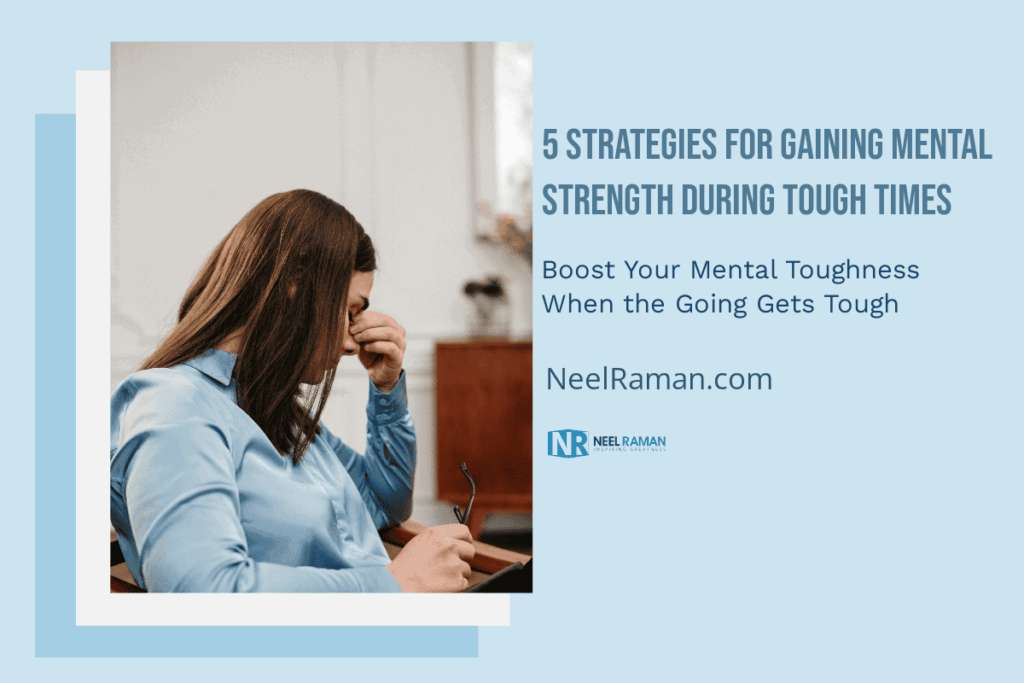
Embracing Techniques for Resilience
To navigate the complexities of modern life, particularly in a diverse and dynamic nation like Nigeria, positive reinforcement techniques play an essential role in cultivating resilience. The psychological benefits of these practices not only enhance individual mental health but also foster a supportive community atmosphere. When individuals learn how to recognize and nurture positive behaviors, they inadvertently inspire those around them to do the same. This creates a ripple effect that can be transformative within families, workplaces, and communities.
One effective technique for harnessing the power of positive reinforcement in mental health is through structured goal-setting. Setting realistic and attainable goals allows individuals to visualize their path towards success. This can range from personal development objectives, like enhancing communication skills, to broader aspirations such as career advancement. In Nigeria, where ambitious youth often face numerous obstacles, these small milestones serve as a motivator to keep pushing forward. By breaking down larger goals into smaller, manageable tasks, individuals can celebrate each step forward, reinforcing their sense of achievement and determination.
In addition to goal-setting, incorporating mindfulness practices into daily routines can yield significant benefits. Mindfulness encourages individuals to remain present and engaged with their surroundings, which is especially valuable during stressful situations. Activities such as meditation, deep breathing exercises, and yoga can lower anxiety levels and improve overall mental well-being. For many Nigerians, traditional practices that promote peace and tranquility can be integrated into modern mindfulness strategies, providing a culturally relevant approach to stress management. Supporting mindfulness can also pave the way for individuals to be more receptive to positive reinforcement, thereby encouraging a cycle of positivity.
- Peer Support Groups: Regular interaction with peers who share similar challenges can make a significant difference in mental health. These groups serve as safe spaces where individuals can express feelings without judgment. Sharing experiences allows members to reinforce each other’s progress and celebrate collective milestones, fostering a sense of belonging.
- Reward Systems: Implementing personal reward systems, where individuals treat themselves after reaching a set goal, can be a motivating factor. These rewards, whether as simple as a favorite meal or an outing with friends, can reinforce behaviors that contribute to well-being and success.
- Creative Expression: Engaging in creative outlets like painting, writing, or music can serve as a powerful form of positive reinforcement. By channeling emotions into creative endeavors, individuals not only validate their feelings but also reinforce their ability to cope with challenges.
By employing these techniques, individuals are not only focusing on their mental health but are simultaneously building a supportive environment that prioritizes collective resilience. In regions where mental health resources may be limited, the encouragement of positive reinforcement methods can catalyze a cultural shift, promoting awareness and understanding. As mental health continues to gain attention, strategies that embrace positivity embody a pathway to collective healing and growth.
| Benefit | Impact on Resilience |
|---|---|
| Enhances Self-Esteem | Positive reinforcement cultivates a sense of achievement, which is vital for building self-worth and confidence amid challenges. |
| Encourages Consistency | By rewarding positive behaviors, individuals are motivated to practice resilience regularly, creating a routine that fosters mental stability. |
| Fosters a Positive Mindset | Consistent recognition of small victories transforms how individuals perceive difficulties, leading to a more optimistic outlook on life. |
| Builds Support Networks | Engaging in positive reinforcement with others cultivates stronger relationships, enhancing the overall support syste that is crucial during challenging times. |
Incorporating techniques of positive reinforcement into daily practices not only uplifts mood but also plays a crucial role in nurturing a resilient mindset. This transformative approach encourages individuals to not only recognize and celebrate their own achievements but also to acknowledge the small wins of those around them. For instance, expressing gratitude and appreciation can significantly bolster self-esteem and strengthen interpersonal connections. Furthermore, maintaining a positive feedback loop creates an environment where resilience thrives; as people feel valued, they are more likely to engage in resilient behaviors during tough times. This approach can be especially beneficial for those navigating mental health challenges, as it reinforces the notion that growth is possible, even amidst adversity. Exploring these techniques can unveil various methods to enhance mental wellness and foster a culture of support and positivity.
CHECK OUT: Click here to explore more
Building a Positive Feedback Loop
The foundation of positive reinforcement in mental health rests upon creating a positive feedback loop that amplifies resilience and psychological well-being. This loop is characterized by continuous cycles of encouragement and growth, fostering an environment where individuals thrive amidst challenges. In Nigeria, where cultural nuances play a pivotal role in shaping behaviors, the integration of traditional values with modern reinforcement strategies can enhance the effectiveness of resilience-building practices.
An essential element of this feedback loop is self-compassion. It involves treating oneself with kindness during tough times, rather than harsh self-criticism. Studies indicate that individuals who practice self-compassion are more likely to overcome adversities and setbacks. In contexts where there is immense societal pressure, especially among Nigerian youths navigating education and career pathways, self-compassion becomes paramount. Simple affirmations and reminder notes can be utilized to reinforce positive self-talk, encouraging individuals to view their struggles as part of life’s journey rather than a reflection of their self-worth.
Gratitude Practices
Another powerful technique for nurturing resilience is through the practice of gratitude. Keeping a gratitude journal or participating in community discussions about positive experiences can shift focus from negative to positive aspects of life. This mental shift fosters a resilient mindset, as individuals learn to appreciate their journey—challenges included. In Nigeria, gratitude expressions can be woven into communal events or even family gatherings, where individuals can openly share and celebrate what they are thankful for – strengthening social bonds and enhancing emotional support.
Celebration of Small Victories
In our quest for resilience, acknowledging and celebrating small victories is crucial. Instead of waiting for monumental achievements, recognizing day-to-day accomplishments fosters motivation and reinforces a sense of progress. For example, students preparing for exams can celebrate completing difficult study sessions, while job seekers might reward themselves after securing interviews. Celebratory actions can include sharing achievements with family or friends, or simply treating oneself to a well-deserved day off. This approach not only reinforces positive behaviors but also encourages continuous growth, paving the way for further resilience.
- Online Communities: Nowadays, digital platforms create opportunities for individuals to join online communities focused on mental health and well-being. These spaces can be invaluable for sharing experiences, advice, and encouragement, leading to collective resilience and healing.
- Positive Affirmations: Using positive affirmations as part of daily routines can greatly enhance one’s mindset. By verbalizing supportive statements, individuals can combat negative thoughts and build self-esteem.
- Volunteer Work: Engaging in volunteer activities can offer a unique form of positive reinforcement. Helping others not only brings a sense of fulfillment but also reinforces one’s resilience through the act of creating positive change within the community.
As these techniques intertwine, they help to form a rich tapestry of support and positivity. By promoting a culture of encouragement, individuals learn to cultivate their intrinsic strengths while fostering the well-being of their peers. In a world experiencing rapid change, especially in societies like Nigeria where socio-economic factors may challenge mental health, the active pursuit of positive reinforcement techniques stands as a significant step toward nurturing emotional resilience.
RECOMMENDED: Check out this similar article
Conclusion
As we navigate the complexities of modern life, particularly in Nigeria where socio-economic challenges and cultural expectations abound, the role of positive reinforcement in mental health has never been more vital. Through the establishment of self-compassion, gratitude practices, and the celebration of small victories, individuals can build a resilient mindset that not only helps them withstand adversity but also promotes personal growth. This journey is not just about overcoming struggles; it is about embracing them as opportunities for learning and development.
Furthermore, integrating community engagement and support systems into our resilience-building efforts can amplify the benefits of positive reinforcement. Sharing experiences in online forums or local gatherings fosters a collective resilience that ensures no one has to face their challenges alone. Utilizing positive affirmations and engaging in volunteer work are additional strategies that can lead to a fulfilling, purposeful life, reinforcing one’s own mental well-being while positively impacting others.
Ultimately, the cultivation of a resilient mindset through positive reinforcement is an ongoing process that requires patience and persistence. By committing to these techniques, we can equip ourselves and future generations with the tools necessary to thrive, even in the face of life’s inevitable challenges. In a world where mental health is increasingly acknowledged and understood, the embrace of positive reinforcement strategies presents a powerful opportunity to transform individual and collective experiences into stories of strength, resilience, and hope.
Related posts:
Positive Reinforcement in Sports Practice: Motivating Athletes to Overcome Limits and Achieve Goals
Positive Reinforcement in Educational Environments: Turning Challenges into Growth Opportunities
Positive Reinforcement and Emotional Resilience: Strengthening the Ability to Overcome Adversities
Positive Reinforcement and Self-Esteem: How to Boost Confidence in Children and Adolescents
Positive Reinforcement in Community Activities: Promoting Engagement and Social Development
Positive Reinforcement in Language Learning: Strategies to Increase Fluency and Confidence

Linda Carter is a writer and self-discipline expert specializing in personal growth, habit building, and goal achievement. With extensive experience helping individuals develop focus, consistency, and resilience, Linda shares her knowledge on our platform. Her goal is to empower readers with practical advice and strategies to cultivate self-discipline, make intentional choices, and achieve success in both their personal and professional lives.